Classy Sassy Little Smartassy: A Designer's Real-World Review
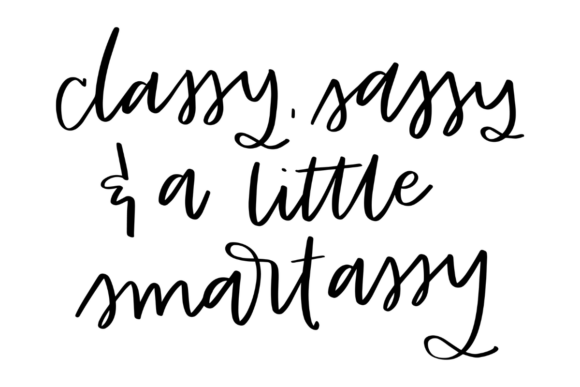
When I first pulled up the Classy Sassy Little Smartassy file on my screen, I didn't just see a quote; I saw a potential bestseller for the upcoming holiday season. As someone who spends more time under a magnifying glass inspecting stitch paths than I do sleeping, my initial reaction to any new digital embroidery file is skepticism mixed with curiosity. This design, categorized under Crafts and Graphics, promises a minimalist and modern vibe with its hand-lettered script. But does it hold up when the needle hits the fabric? Let's break down how this design performs in a real-world embroidery project.
First Impressions: Mood and Visual Personality
The immediate appeal of Classy Sassy Little Smartassy lies in its typographic balance. It isn't shouting; it's whispering with attitude. The layout features a clean, chic script that avoids the overly swirly, hard-to-read fonts that often plague modern embroidery files. For a designer, this is crucial. We need legibility without sacrificing style. The "mood" here is confident and playful, making it an ideal candidate for custom apparel aimed at millennials or Gen Z consumers who appreciate wit in their wardrobe.
Visually, the design feels lightweight. It doesn't appear to be a dense block of thread, which suggests it will sit well on lighter fabrics without causing excessive puckering. However, the term "hand-lettered" in the description implies variable line widths. In embroidery terms, this means we need to pay close attention to how the machine transitions between thick and thin areas, especially if we are working with a satin stitch versus a fill stitch.
The Real-World Test: From Screen to Sweatshirt
To truly evaluate this asset, I imagined a specific scenario: a custom order for a boutique client wanting a batch of oversized crewneck sweatshirts. The goal was to create a small shop product that felt high-end yet approachable. I loaded the Classy Sassy Little Smartassy design into my software to simulate the outcome.
On a mid-weight cotton blend fleece, the design shines. The script flows naturally across the chest, creating a focal point that draws the eye without overwhelming the garment. Because the text is relatively linear, it works exceptionally well as a sweatshirt embroidery piece. Unlike complex applique design options that require multiple fabric cuts and layers, this is a straightforward stitch-out, saving significant production time for an Etsy seller or craft business owner during peak seasons.
I also visualized this on a canvas tote bag design. The contrast of white thread on a natural or black canvas tote creates a striking finished product. The phrase itself—"Classy, Sassy, A Little Smartassy"—is perfect for teachers, nurses, or anyone needing a daily dose of humor. As a personalized gift, it hits the sweet spot between generic store-bought items and fully custom commissions.
Navigating Fabric Challenges and Stitch Density
While the design is versatile, it is not without its constraints. The primary concern with any script-based machine embroidery design is the stitch density in the thinner parts of the letters. If the design relies heavily on fine running stitch details for the "tails" of the letters, these can get lost on textured fabrics like terry cloth or heavy wool.
For baby embroidery projects, such as a onesie or a nursery pillow cover, caution is advised. Babies have sensitive skin, and the back of the embroidery must be clean. If the Classy Sassy Little Smartassy file has high density, it might feel stiff. In this case, using a soft cut-away stabilizer is non-negotiable to prevent irritation. Furthermore, on stretchy knits used for baby clothes, the hoop tension must be perfect to avoid distortion of the cursive elements.
Curved surfaces present another hurdle. Placing this design on a cap requires careful positioning. The center of the design should align with the cap's seam, but the length of the phrase might be too long for a standard front panel unless scaled down significantly. Scaling down introduces the risk of tiny lettering becoming illegible. If you are attempting a cap project, I recommend stitching a test on a scrap piece of the same curved material first.
Commercial Viability and Brand Consistency
For those looking to expand their design assets library, this graphic offers strong commercial potential. The phrase is evergreen; it doesn't tie into a specific fleeting trend, meaning it can be sold as a holiday embroidery gift in December or a "back to school" item in August. This longevity increases the return on investment for digital product sellers.
The visual clarity of the design enhances brand perception. A crisp, well-stitched logo or quote signals professionalism. If you are an apparel decorator, delivering a handmade product where the threads are uniform and the edges are sharp builds customer trust. Conversely, if the design causes bird nesting or thread breaks due to poor digitizing (which we can't confirm without seeing the actual file path), it reflects poorly on your brand. Therefore, testing is key.
Practical Notes for the Professional Maker
Before committing to a full production run of commercial embroidery items featuring Classy Sassy Little Smartassy, here are my professional recommendations:
- Test on Scrap Fabric: Always stitch out the design on the exact same fabric weight and type you intend to sell. What looks good on quilting cotton may pucker on jersey knit.
- Check Thread Contrast: This design relies on readability. Test it in black and white mockups first. Ensure your thread colors provide enough contrast against the background fabric, especially for dark garments.
- Review Stitch Density: Zoom in on the digital preview. Look for areas where stitches might overlap too much, creating bulk, or too little, leaving gaps in the fabric.
- Confirm Hoop Size: Ensure the design fits within your available hoop size without needing to re-hoop, which can lead to alignment issues.
- Inspect Small Details: Pay close attention to the connection points between letters. In script fonts, these ties are critical for structural integrity.
- Licensing Verification: Since this is a digital asset, double-check the license terms. Confirm whether it allows for unlimited sales of finished physical goods or if there are restrictions on selling the digital file itself.
Final Verdict: Is It Worth the Stitch?
The Classy Sassy Little Smartassy design holds significant promise for makers who value personality in their products. Its strength lies in its simplicity and relatable message. When executed correctly on suitable materials like tote bags, sweatshirts, or structured pillows, it elevates a simple item into a conversation starter.
However, success depends entirely on the quality of the underlying digitizing, which varies by vendor. Do not assume the file is perfect out of the box. Treat it as a raw ingredient that needs your expertise to shine. By respecting the limitations of fabric texture and machine capabilities, you can turn this Graphics category item into a staple of your craft business. Whether you are creating a printable mockup for your online store or stitching the final embroidered patch for a jacket, this design offers a stylish, modern edge that customers are actively seeking. Just remember: the difference between a good product and a great one is often found in the test stitch.