Dad Quote SVG Review: A Designer's Take on Father's Day Files
As someone who spends more time staring at stitch maps than most people care to admit, I approach new digital assets with a mix of excitement and skepticism. When I first pulled the Dad Svg, Father s Day Svg, Dad Quote Svg bundle onto my screen, my immediate reaction wasn't just about the cuteness of the quote; it was about the structural integrity of the lines. In the world of machine embroidery design, a pretty picture on a monitor doesn't always translate to a durable finished product. This review breaks down how these specific graphics hold up when moved from a digital embroidery file to actual thread on fabric.
First Impressions: Shape, Flow, and Visual Personality
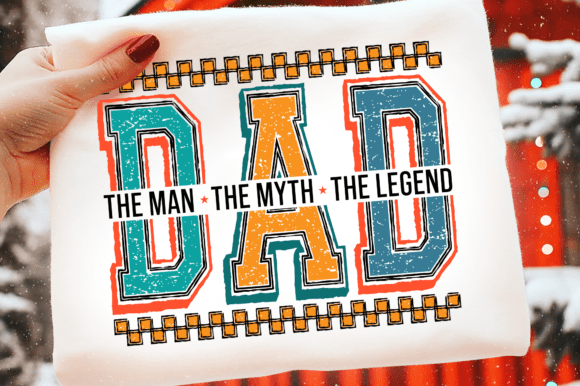
The initial visual impact of this design set is warm and inviting. The typography chosen for the Dad Quote Svg strikes a balance between modern casual and classic readability. For an embroidery project, this is crucial. Overly ornate scripts can become a nightmare of thread breaks and bird nests, while block letters can feel too industrial for a sentimental gift. These files seem to hit a sweet spot. The curves appear smooth enough to suggest that, once digitized properly (or if they come pre-digitized), they will lay flat without excessive puckering.
The mood created here is one of celebration and appreciation. It feels less like a generic store-bought item and more like something crafted with intention. For Etsy sellers and craft business owners, this "handmade" aesthetic is gold. It signals to the buyer that thought went into the selection. However, as a designer, I look closely at the negative space. In embroidery, the space between letters is just as important as the letters themselves. If the spacing is too tight, the stitch density becomes too high, leading to a stiff patch of thread that cracks after washing. From what I can see in the vector preview, the kerning looks generous enough to accommodate satin stitches without merging.
Real-World Application: The Custom Sweatshirt Test
To truly evaluate these T-Shirt Designs and Graphics, I mentally placed them on a few common substrates. Let's consider a real-life scenario: a customer orders a personalized Father's Day gift—a heavy cotton blend sweatshirt. This is a popular request for small shop products. The Dad Svg would sit prominently on the chest or perhaps centered on the back.
In this context, the design shines. The quote is legible from a distance, which is essential for apparel. If you were to use this on a tote bag design, the larger surface area allows the details to breathe. I can imagine this working beautifully as a central motif on a canvas tote, perhaps paired with a simple floral element or a tool icon if the specific quote allows for embellishment. For baby embroidery, scaling this down for a onesie requires caution. You must ensure that the smallest details don't get lost when reduced to a 3-inch hoop. The clarity of the Dad Quote Svg suggests it could work, but only if the digitizer maintains clean running stitches for the finer points.
Another strong contender for this design is the embroidered patch. Patches are trending heavily in boutique branding right now. Because patches are often removed from the hoop and sewn onto other items later, the edge definition of your SVG is vital. If the outlines are crisp, the resulting patch will have a professional, merrowed-edge look (if planned) or a clean cut-away finish. This versatility makes the file a valuable asset for creating printable mockup portfolios to show clients before stitching begins.
Navigating Fabric Textures and Hoop Limitations
While the design is promising, practical application requires acknowledging where things can go wrong. Not every fabric plays nice with every file. If you are attempting sweatshirt embroidery on a textured fleece, the background texture can interfere with the stitch definition. In such cases, using a topping stabilizer is non-negotiable to prevent the stitches from sinking into the pile.
Curved surfaces present another challenge. Applying this to a cap or hat changes the geometry of the design. The Dad Svg might need to be arched or adjusted in your embroidery software to compensate for the curvature of the front panel. Without this adjustment, the text can look distorted once stitched. Furthermore, if you are working with stretchy fabrics like jersey knits for custom apparel, the stability of the design is paramount. A dense fill stitch in the wrong area can cause the fabric to gather or warp. Always test on scrap fabric of the same weight and stretch before committing to the final garment.
Small hoop sizes are another constraint. If your machine only supports a 4x4 hoop, you may need to split the design or choose a shorter version of the quote if available in the bundle. Trying to force a large, complex layout into a tiny hoop often results in compromised quality or the need for re-hooping, which risks misalignment.
Commercial Viability and Brand Consistency
For the digital product sellers and apparel decorators reading this, the commercial potential of these files is significant. Father's Day is a high-volume season, and having reliable design assets ready to go can streamline production. However, brand consistency is key. If your shop specializes in rustic, vintage-style goods, ensure the font style of the Father s Day Svg aligns with your existing catalog. If your brand is modern and minimalist, these clean lines should fit right in.
Customer trust is built on the quality of the handmade product they receive. A design that looks great digitally but frays or puckers after the first wash damages your reputation. Therefore, the choice of thread colors and stabilizer type matters immensely. High-sheen rayon threads might make the pop, but polyester offers better durability for items like kitchen towels or aprons that face frequent washing. Testing the design in black and white mockups can also help you visualize contrast issues before you ever thread the needle.
Final Verdict and Designer Notes
Overall, the Dad Svg, Father s Day Svg, Dad Quote Svg collection offers a solid foundation for a variety of creative projects. Its strength lies in its adaptability across different mediums, from holiday embroidery gifts to everyday small shop product lines. However, the responsibility falls on the maker to execute it correctly.
Before you start stitching, keep these practical notes in mind:
- Check the License: Since this is a digital download containing SVG and DXF formats, confirm the licensing terms. Are you allowed to sell physical items made with this design? Can you resell the digital file? Never assume; always read the included text file.
- Digitizing Check: Remember, SVG and DXF are vector cut files. If you are doing machine embroidery, you will likely need to run these through digitizing software to convert them into stitch files (like PES, DST, or XXX) unless the seller provides those separately. Do not attempt to embroider a raw SVG without proper digitization settings for stitch types (satin vs. fill).
- Stabilizer Strategy: Match your stabilizer to your fabric. Cut-away for knits, tear-away for wovens, and water-soluble for delicate textures.
- Thread Contrast: Test your thread colors against the fabric background. A dark thread on a dark shirt might look sophisticated but could lack the necessary contrast for the quote to be readable.
- Wash Testing: Always wash and dry a test sample. This reveals any issues with puckering, thread breakage, or color bleeding that aren't visible immediately after hooping.
In the hands of a skilled creator who respects the technical limitations of embroidery, these graphics have the potential to become cherished keepsakes. They offer a blend of sentiment and style that resonates well with the current market for personalized goods. Just remember, the file is only half the equation; your expertise in handling fabric and thread is what turns a digital embroidery file into a masterpiece.