Dad Told Me I Could: A Designer's Take on Modern Minimalist Embroidery
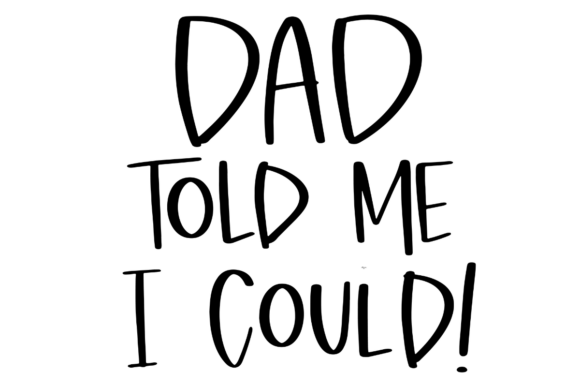
As someone who spends hours staring at digitized files before committing thread to fabric, I approach every new machine embroidery design with a mix of excitement and skepticism. We've all been there: a file looks perfect on the screen, but once it hits the hoop, the details get lost or the stitch count balloons unnecessarily. That's why I took a close look at the "Dad Told Me I Could" graphic. This isn't just another quote; it's a statement piece that relies heavily on typography and spacing to land its emotional punch. For those of us running a craft business or selling handmade products on platforms like Etsy, understanding how a design translates from a digital asset to a physical finished product is crucial.
The Visual Personality and First Impressions
The first thing that strikes me about "Dad Told Me I Could" is its confident simplicity. The description highlights a playful, hand-drawn font in a modern minimalist style, and honestly, that is exactly what the current market is craving. In the world of Crafts and Graphics, we often see over-complicated designs that try too hard. This design feels different. It has a casual, approachable vibe that suggests warmth and family bonding without being overly sentimental or cloying. The layout appears open and airy, which is a massive plus for embroidery. Tight, cramped lettering is the enemy of clean stitching, especially when you are working with smaller hoop sizes. The visual personality here says "effortless cool," making it an ideal candidate for contemporary home decor or casual wear rather than formal attire.
Real-World Application: The Custom Sweatshirt Scenario
To truly evaluate this embroidery file, I imagined a specific real-life scenario: a custom order for a client wanting a matching set of family sweatshirt embroidery for a weekend getaway. The client wants something that looks high-end but feels personal. "Dad Told Me I Could" fits this brief perfectly. Because the style is minimalist, it doesn't overwhelm the garment. If I were stitching this onto a heavyweight cotton blend fleece, the lack of excessive fill stitch density would prevent the fabric from puckering or becoming stiff.
Imagine this design centered on the chest of a heather grey hoodie. The playful font would catch the light differently than a standard block font, adding texture and depth. For an Etsy seller, this kind of versatility is gold. You aren't limited to just one product type. This same design could easily transition to a tote bag design for a dad's grocery runs, a tea towel for the kitchen, or even a structured embroidered patch that can be ironed onto a denim jacket. The key is that the design carries enough weight to stand alone without needing extra flourishes or borders.
Navigating Fabric Textures and Stitch Clarity
However, a professional review wouldn't be complete without discussing where caution is needed. While the minimalist aesthetic is a strength, it demands precision. When dealing with hand-drawn fonts, the thickness of the lines can vary. If you are planning to use this on a textured fabric like a waffle knit or a rough linen, you need to be careful. A running stitch that is too fine might get lost in the weave of the fabric. Similarly, if you are attempting baby embroidery on a soft, stretchy onesie, the stability of the text is paramount.
I would strongly advise testing this design on scrap fabric that matches your final project material. Pay close attention to the stitch density. If the digital file uses a satin stitch for the lettering, ensure the column width is appropriate for the thread weight you are using. On dark fabrics, you might need to adjust your underlay settings to prevent the background color from peeking through the letters, which can ruin the crisp look of the minimalism. Always check if the design includes a recommendation for stabilizer type; for stretchy knits, a cut-away stabilizer is usually safer than tear-away to maintain the shape of the words after washing.
Commercial Viability and Brand Consistency
For commercial embroidery projects and small shop owners, consistency is everything. Your customers buy from you because they trust your quality. A design like "Dad Told Me I Could" helps build that trust because it looks intentional. It doesn't look like a generic clip-art dump. When you present this as part of a printable mockup or a product listing, the clean lines translate well to digital previews, helping buyers visualize the personalized gift they are purchasing.
There is also the question of licensing. Before you list this as a small shop product or include it in a bundle of design assets, you must verify the license terms provided by the creator. Some files are for personal use only, while others allow for unlimited commercial sales of finished physical items. Since the description mentions it is a digital design for creatives, it likely leans toward commercial friendliness, but never assume. Confirming this protects your business and ensures you aren't inadvertently infringing on intellectual property.
Final Thoughts on Execution
In conclusion, "Dad Told Me I Could" is a solid contender for your next embroidery project. Its strength lies in its restraint. It knows when to stop, allowing the message to shine. Whether you are creating holiday embroidery gifts, boutique branding items, or just updating your own wardrobe, this design offers a modern touch. Just remember to respect the nuances of the font. Test your thread colors against your fabric choice—sometimes a tonal thread on a similar fabric creates a sophisticated, subtle look, while a high-contrast color makes a bold statement. Check the smallest details in the preview mode of your software. If the curves look smooth digitally, they will likely stitch out beautifully.
Ultimately, the value of a design like this isn't just in the stitches; it's in the story it tells. It captures a moment of encouragement and family love. As designers and makers, our job is to ensure that the technical execution matches that emotional resonance. With the right fabric, proper stabilization, and a keen eye for detail, "Dad Told Me I Could" can become a standout piece in any collection of custom apparel or home goods.