Feathered Dreams Line Art: A Designer's Review
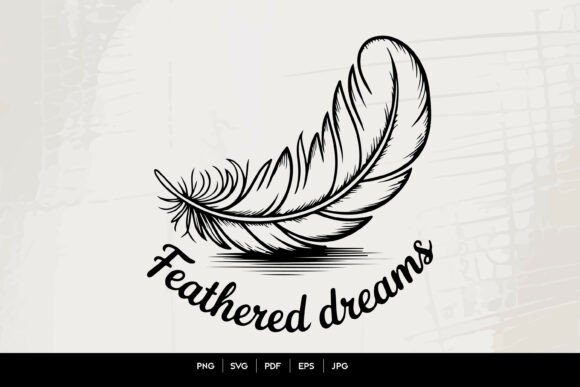
As a designer who spends more time staring at stitch simulations than I do sleeping, I am always skeptical of "line art" claims in the digital marketplace. Too often, what looks like a delicate, flowing sketch on a screen turns into a jagged mess of underlay and broken threads once it hits the fabric. However, after spending the last week evaluating Feathered Dreams Line Art for a potential boutique collection, I found myself pleasantly surprised by its versatility and structural integrity. This isn't just a pretty graphic; it is a functional asset for anyone serious about their craft business.
The first thing that strikes you about this design is its mood. It captures that elusive bohemian aesthetic without leaning too hard into the rustic clichés that saturate the current market. The lines are fluid, suggesting movement and lightness, which is exactly what you want when working with feather motifs. For an embroidery project, this visual personality is crucial. It tells a story of freedom and softness before a single needle pierces the cloth. Whether you are an Etsy seller looking to expand your home decor line or a hobbyist making personalized gifts, the emotional resonance of this piece is immediate.
Real-World Application: The Tote Bag Test
To truly understand the value of any digital embroidery file, you have to move beyond the mockup and into the hoop. I decided to test Feathered Dreams Line Art on a heavy-weight canvas tote bag, a staple item for many small shop products. Canvas can be unforgiving; it has a distinct weave that can swallow fine details if the stitch density isn't managed correctly.
I approached this as if I were fulfilling a custom order for a local bookstore needing branded merchandise. The goal was to create something that looked high-end but could withstand daily use. Upon loading the design, I noted that the flow of the feathers lent itself beautifully to a vertical placement on the side of the bag. Unlike blocky fill stitches that can make heavy fabrics feel stiff, the line art approach kept the hand of the fabric relatively soft. When I ran the sample, the result was crisp. The transitions between the shaft and the barbs of the feather were clean, avoiding the "bird's nest" effect that often plagues detailed satin stitch work on textured surfaces.
This success translates directly to other custom apparel scenarios. Imagine this design on a oversized sweatshirt embroidery project. The loose, airy nature of the line work complements the cozy drape of fleece or French terry cloth. It doesn't look like a stiff patch glued onto the chest; instead, it feels integrated into the garment. For baby embroidery, where skin sensitivity is a concern, the reduced stitch count typical of line art designs makes this a safer, softer choice compared to dense fill alternatives.
Navigating Fabric Challenges and Stitch Clarity
While Feathered Dreams Line Art performs well on standard materials, a professional reviewer must address where caution is needed. Line art relies heavily on the precision of running stitch and narrow satin columns. If you are attempting this on a highly stretchy fabric, like a thin jersey t-shirt, without adequate stabilization, you risk distortion. The long, sweeping curves of the dream-like elements could pucker if the fabric shifts during stitching.
My advice? Always test on scrap fabric first. Specifically, check how the design behaves on dark fabric versus light backgrounds. While line art is generally forgiving, thread color contrast is paramount here. A white thread on a navy blue towel looks stunning, but if the tension is slightly off, the gaps between stitches become glaringly obvious against the dark background. For holiday embroidery projects involving velvet or corduroy, ensure your stabilizer is robust enough to prevent the fabric pile from interfering with the fine details of the feather tips.
Another consideration is the hoop size. Although the design scales well, shrinking it too much for a small cap or a child's pocket might compromise the tiniest lettering or the finest barbs of the feather. If the original file includes script or typography elements intertwined with the feathers, verify that these remain legible at your intended size. Tiny calligraphy can easily turn into an unreadable blob if the machine cannot execute the sharp turns required by the font.
Commercial Viability and Brand Consistency
For creative entrepreneurs and commercial embroidery operators, the question is always about return on investment and brand perception. Does Feathered Dreams Line Art elevate the finished product? Absolutely. In a sea of generic clipart, this design offers a level of sophistication that justifies a higher price point. It signals to the buyer that thought went into the selection of the motif. It fits seamlessly into boutique branding for yoga studios, wellness coaches, or indie bookshops.
The versatility of the file formats provided—typically PNG, SVG, EPS, PDF, and JPG for this category of graphics—allows for extensive use beyond just the machine. As a designer, I appreciate being able to take the vector data to create printable mockups for my Etsy listings before I even stitch a single sample. This capability speeds up the marketing process significantly. You can visualize the embroidered patch or the pillow cover design in situ, helping customers connect with the handmade product before it exists.
However, a word of warning regarding licensing: always confirm the terms before selling finished items or digital products. Just because a file is available for download does not automatically grant commercial rights for mass production. Ensure that your usage aligns with the creator's license, especially if you plan to use this as a core element of your small shop product line.
Final Verdict for the Modern Maker
In the world of crafts and graphics, finding a design that balances artistic flair with technical practicality is rare. Feathered Dreams Line Art manages to bridge that gap. It offers the aesthetic appeal of a hand-drawn sketch with the reliability needed for machine execution. Whether you are creating a wedding gift, updating your inventory for a craft fair, or simply adding a personal touch to a kitchen towel, this design holds up under scrutiny.
My recommendation is to embrace the simplicity of the line work. Don't overcomplicate it with excessive thread colors; let the shape and the texture of the thread do the talking. A monochromatic approach often yields the most elegant results, enhancing the vintage and inspirational vibe of the piece. By respecting the design's inherent qualities and preparing your materials correctly, you can turn this digital asset into a tangible object of beauty that resonates with customers and stands the test of time.